
Having a genuinely comfortable conservatory is one of the most rewarding home improvement projects you can undertake. Not only do they increase your home’s value, but they can also lower energy bills, be used however you wish, whether as a living room, kitchen, or even a home pub, and help you feel closer to nature.
However, homeowners across Cheshire are prone to putting these projects on the backburner before they’ve even begun out of fear that they may fall foul of legislation, or be swamped with a mountain of paperwork.
The good news is that in the vast majority of cases, conservatories are classed as ‘permitted development,’ meaning you do not need formal planning permission, but there are limits and exceptions, which we will run through in this blog.
Replacing your conservatory roof, rather than the whole thing or building from scratch, is also a great way to enjoy a more comfortable space, avoid any potential planning hassle, and improve your conservatory’s performance at the same time.
An overview of planning permission for conservatories in Cheshire
In Cheshire, the rules around conservatory planning permission are set out under the Town and Country Planning (General Permitted Development) (England) Order 2015. Many conservatories fall under permitted development rights, allowing homeowners to build without needing formal approval. However, these rights come with limits:
- Conservatories must be single-storey and built at ground level
- The structure should not cover more than half the land around the original house
- Height restrictions apply: generally 4 metres maximum, or 3 metres if within 2 metres of a boundary
- Conservatories that are larger than 30 square metres, involve structural changes, or are above ground level usually require planning permission
- If your home is in a conservation area, a national park, an area of outstanding natural beauty, or a world heritage site, additional rules may apply
It is also important to remember building regulations.
These are separate from planning permission and cover aspects such as insulation, structural safety, and energy efficiency. For example, if your conservatory has external-quality walls, windows, doors, or its own heating system, it may need building consent. Homeowners can check requirements using the Planning Portal or by contacting their local planning authority.
When is planning permission needed for a new conservatory?
Even with permitted development rights, there are circumstances where planning permission is required.
Larger floor area
If your conservatory exceeds 30 square metres or extends beyond permitted development rules, you will need to apply for planning permission.
Proximity to boundaries
Conservatories within 2 metres of a boundary must not exceed 3 metres in height; otherwise, planning consent is required.
Listed buildings
If your home is a listed building, any conservatory installation will usually need listed building consent, regardless of size.
Conservation areas
Homes in conservation areas, national parks, or world heritage sites may have stricter rules. Always check with your local authority.
Conservatory installations that are compliant with planning permissions
At Northwich Glass, we have decades of experience ensuring your conservatory project complies with all planning and building regulations. Most installations fall under permitted development and do not need planning permission. Examples include:
- Rear conservatories that are single-storey and under the size limits
- Small sunrooms within the permitted floor area
- Extensions to detached houses that do not exceed half the curtilage
- Conservatory roof replacements that improve insulation and thermal efficiency
In the rare instance planning permission is needed, our expert team can guide you through the application process, liaise with the local planning authority, and ensure your project meets all requirements.
Replacement conservatory roofs from Northwich Glass
Replacing your conservatory roof is a cost-effective way to improve your space’s performance, keeping it warm in winter and cool in summer. At Northwich Glass, we offer a range of options:
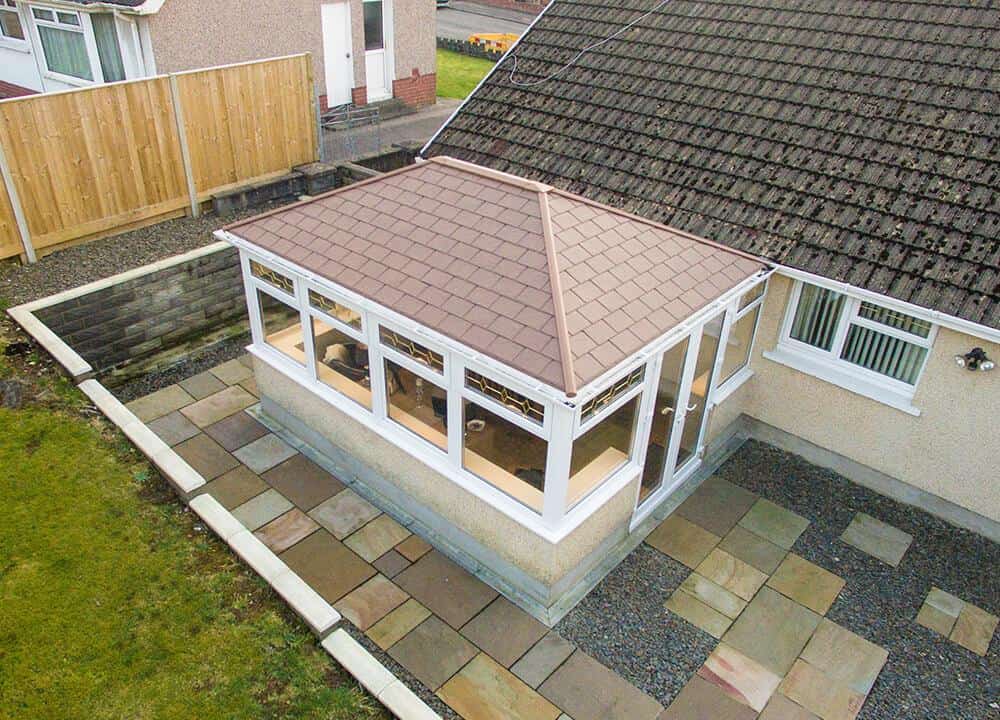
Tiled roofs
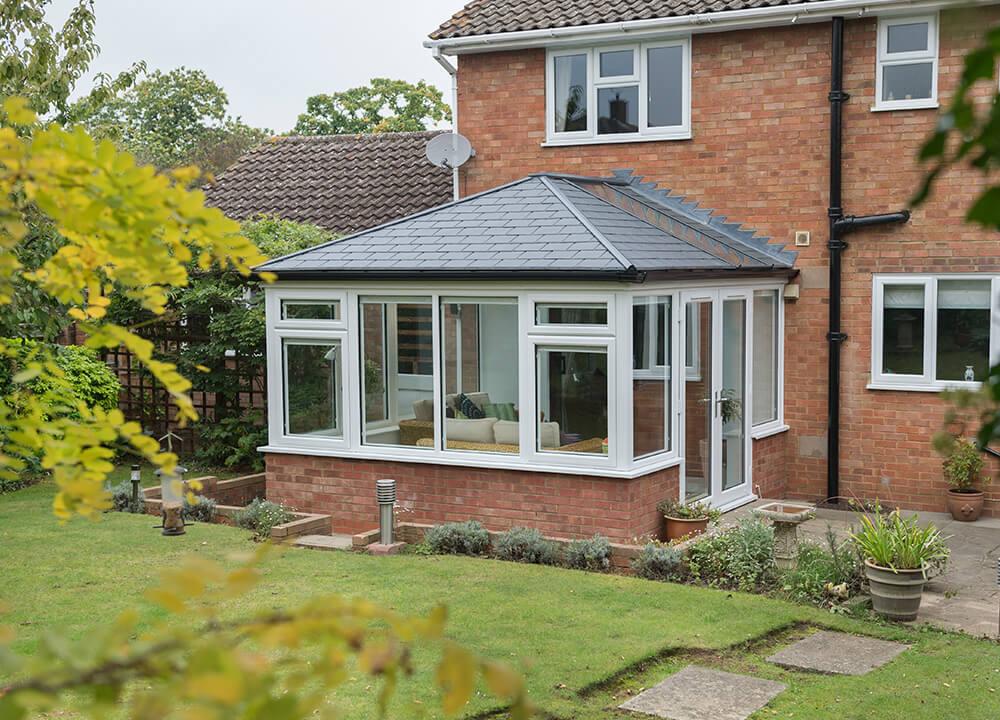
Our UltraRoof tiled conservatory roofs combine the look of a traditional extension with modern insulation and durability.
Benefits:
- Reduces energy bills through improved thermal efficiency
- Excellent weather resistance
- Compatible with all conservatory styles
- Quick installation with minimal disruption
- Has a real permanent feel, like a natural home extension
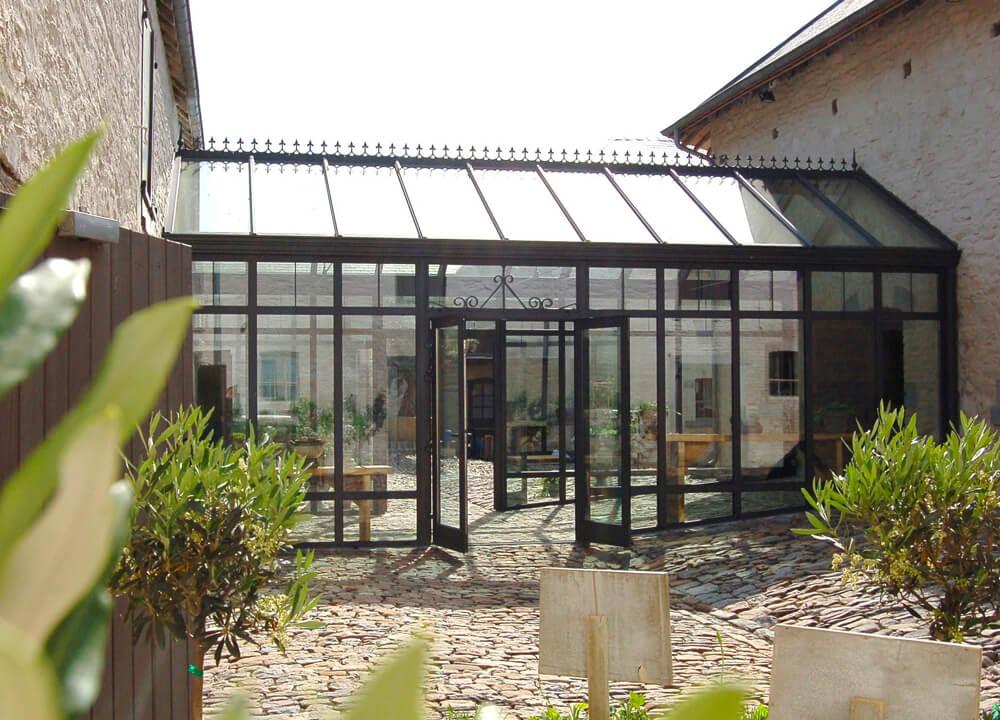
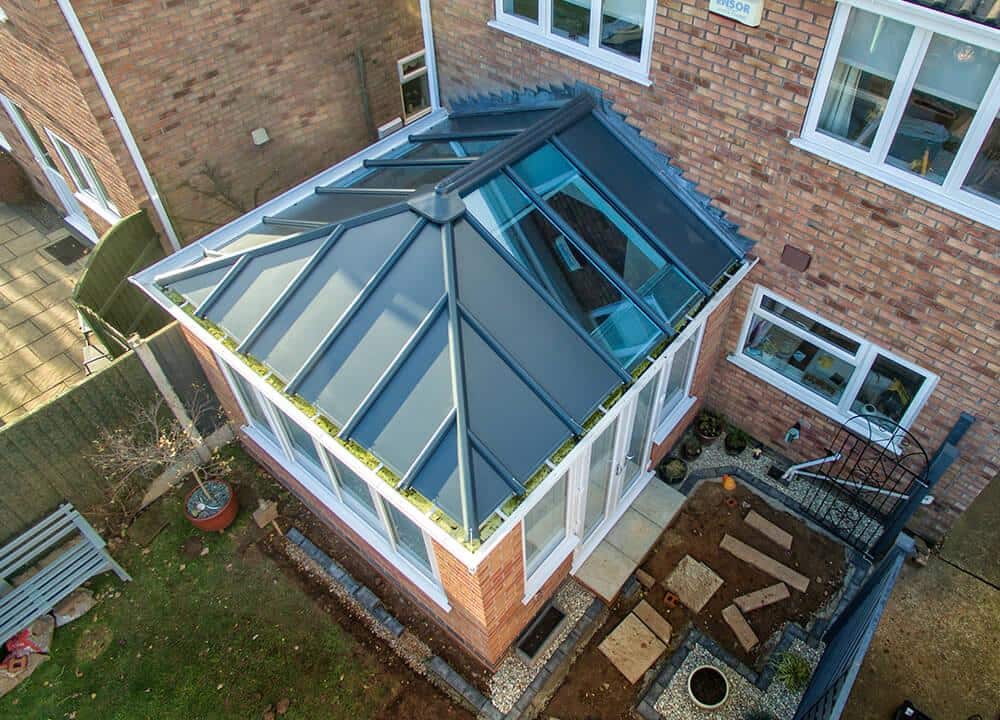
Glass roofs
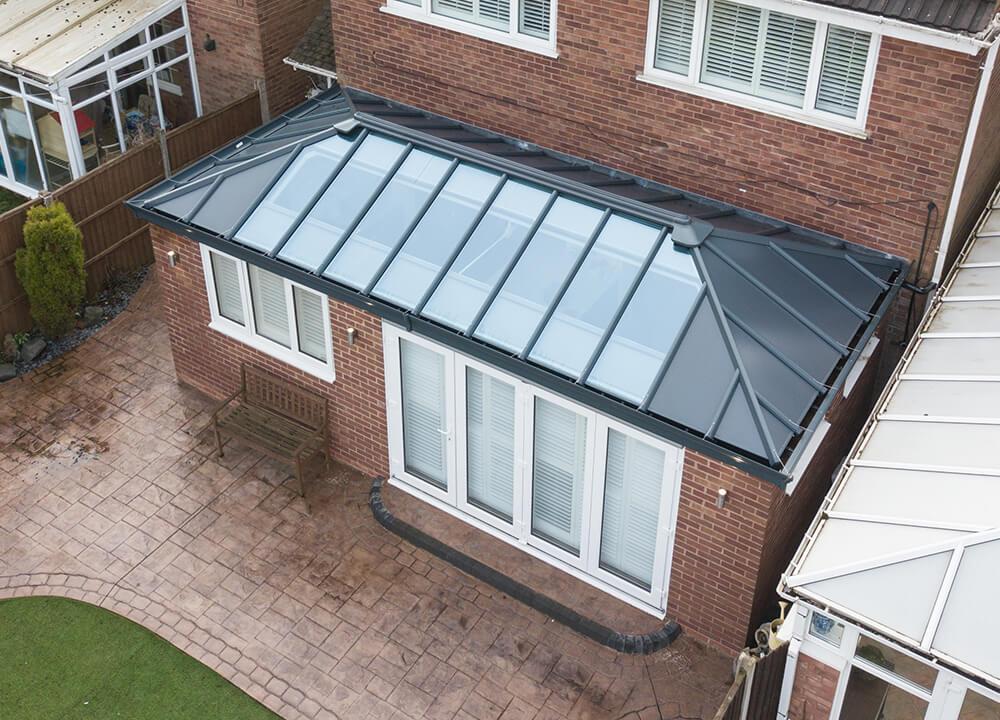
Our high-performance glass roofs bring natural light into your conservatory while providing excellent insulation.
Benefits:
- Floods the room with daylight
- Low maintenance and durable
- Reduces external noise, glare and overheating through modern glazing
- Affordable compared to building a new conservatory
- Great for stargazing (our favourite!)
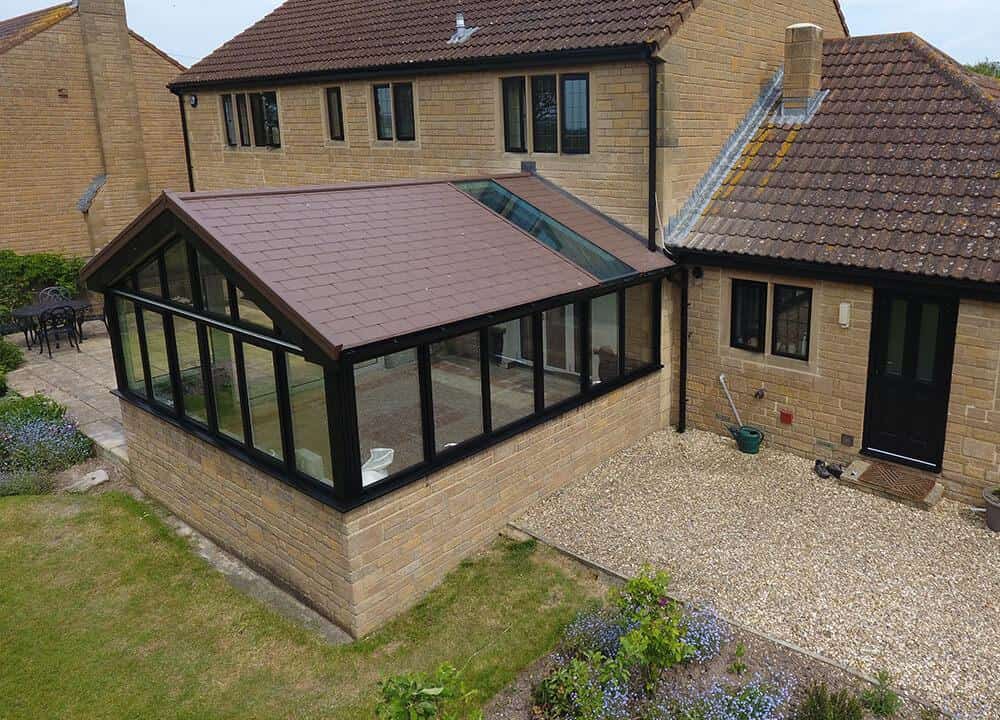
Solid roofs
The Icotherm solid roof system provides a lightweight, thermally efficient solution for older conservatories. Solid roofs can feature glazed panels to invite natural light into the space, as well as modern timber.
Benefits:
- Excellent insulation and energy efficiency
- Eco-friendly with sustainably sourced timber
- Wide range of styles, finishes, and roof windows
- Minimal disruption during installation
What are the benefits of a new conservatory roof?
- Thermal efficiency: keeps your space warm in winter and cool in summer
- Improved insulation: reduces condensation and noise from outside
- Aesthetic appeal: modern or traditional styles to match your home
- Added value: can increase your property’s appeal
- Cost-effective upgrade: avoids the need to rebuild the entire conservatory
Frequently asked questions
Do I need planning permission for a small conservatory?
Most small rear conservatories under permitted development limits do not require planning permission. Always check with your local authority if you live near boundaries or in a conservation area.
What is the difference between planning permission and building regulations?
Planning permission governs the size, location, and external impact of your conservatory. Building regulations ensure structural safety, insulation, and energy efficiency standards are met.
Can I build a conservatory on a listed building?
Yes, but you will need listed building consent before starting any work.
Do Northwich Glass handle planning applications?
Absolutely. Our expert team can guide you through permissions, approvals, and any required warrants.
Can I replace my old conservatory roof without planning permission?
Yes. Most replacement roofs fall under permitted development and improve energy efficiency without needing formal approval.
Who are Northwich Glass?
Founded in 1959, Northwich Glass is a family-run business with over 60 years’ experience in windows, doors, and conservatory roofs. We are FENSA accredited, members of Which? Trusted Trader, and provide a 10-year guarantee on all installations.
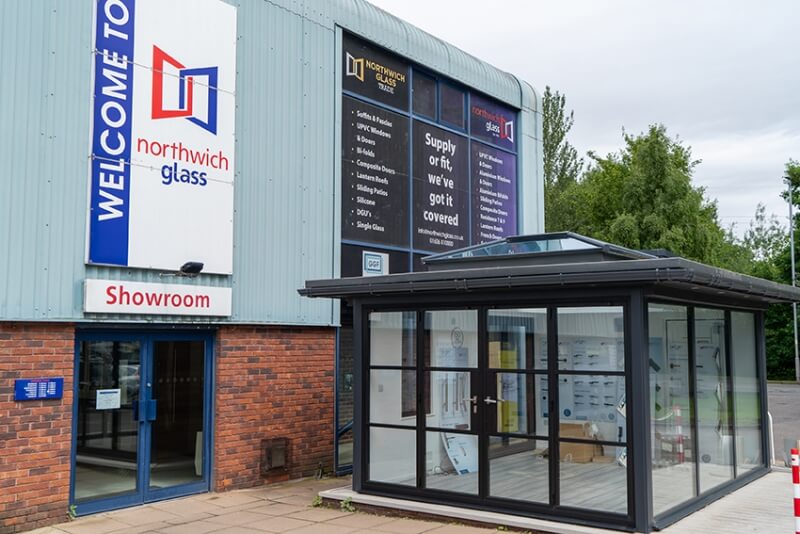
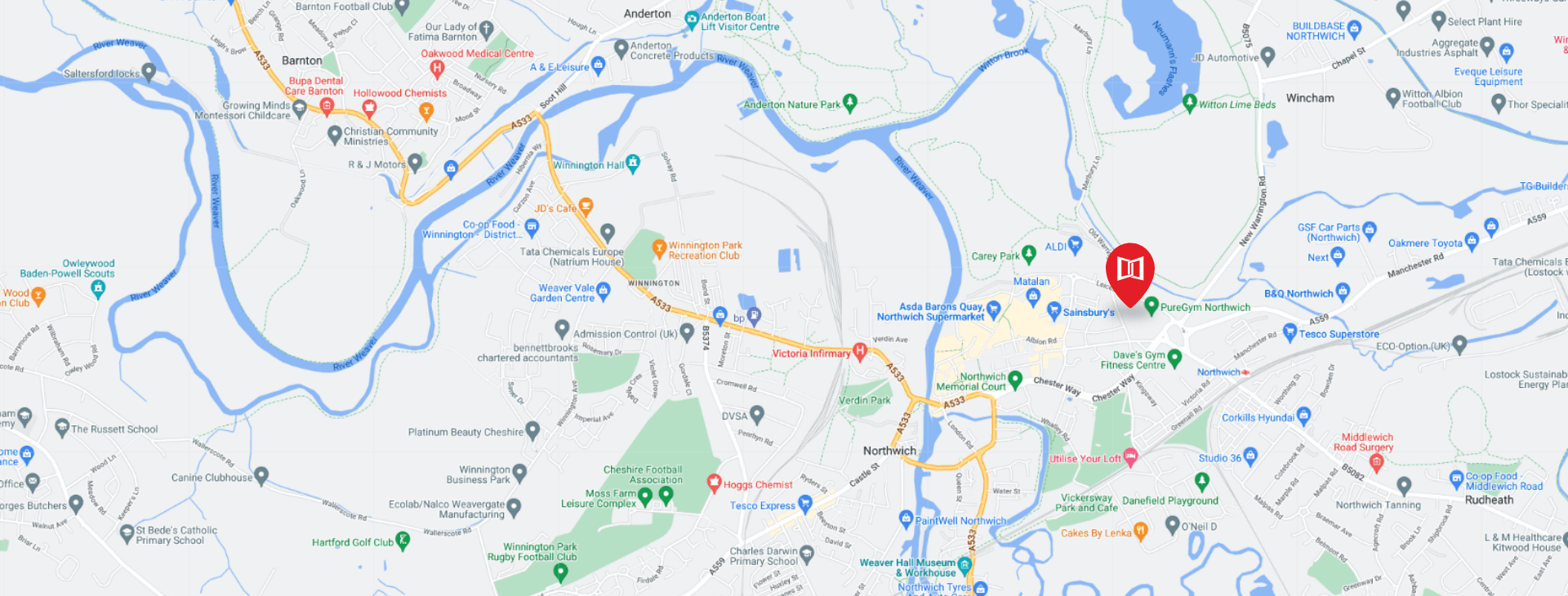
Based in Northwich, Cheshire, our showroom on Leicester Street displays a wide selection of uPVC and aluminium windows, doors, and conservatory roofs, including tiled, glass, and solid options. Our dedicated team works with homeowners to design and install improvements that are fully compliant with local regulations.
Get in touch:
- Call: 01606 810 000
- Email: reception@northwichglass.co.uk
- Visit: Northwich Glass, Leicester Street, Northwich, CW9 5HW