

Condensation on windows is a common problem in UK homes, especially during colder months. It forms when warm, humid indoor air meets cold glass, creating temperature differentials and turning moisture into droplets on your windows. Left unchecked, this can lead to mould, damp patches, and even damage to frames. Understanding how to stop condensation on windows can protect your home and save time and money on repairs.
Reasons Why Condensation Forms on Windows
Condensation occurs when warm air inside your home hits a cooler surface, such as window glass. Key causes include:
- Moisture from cooking, showering, or even breathing.
- Cold window surfaces cooling humid air to the dew point of the surrounding air, forming water droplets.
- Poor ventilation trapping humid air indoors.
Windows with poor insulation or single glazing are most prone. Homes with sash, aluminium, timber, uPVC, or sliding/folding glass frames may notice condensation more often, particularly in winter.
How to Stop Condensation on Windows
1. Improve Ventilation
Proper airflow is the quickest way to reduce condensation:
- Open windows briefly each day to let humid air escape.
- Keep trickle vents clear, especially on sash or older windows.
- Use extractor fans in kitchens and bathrooms to remove excess moisture.
Even a 10–15 minute airing after cooking or showering can make a noticeable difference.
2. Control Humidity Levels
Lowering indoor humidity prevents moisture from forming on glass:
- Dry clothes outdoors where possible, or use vented dryers.
- Use a dehumidifier in rooms prone to dampness.
- Cover boiling pots and limit indoor steam.
This is particularly effective for aluminium windows, which conduct heat quickly and can attract moisture if humidity is high.
3. Maintain Consistent Temperature
Keeping a steady temperature helps prevent condensation:
- Run central heating at a low, consistent level rather than switching it on and off.
- Avoid draughts that cool window frames.
For sash windows, even minor improvements in airflow and temperature can reduce moisture buildup significantly.
4. Upgrade Your Windows
Modern glazing and thermally efficient frames can dramatically reduce condensation on window panes:
- Aluminium windows: Choose thermally broken designs with double or triple glazing.
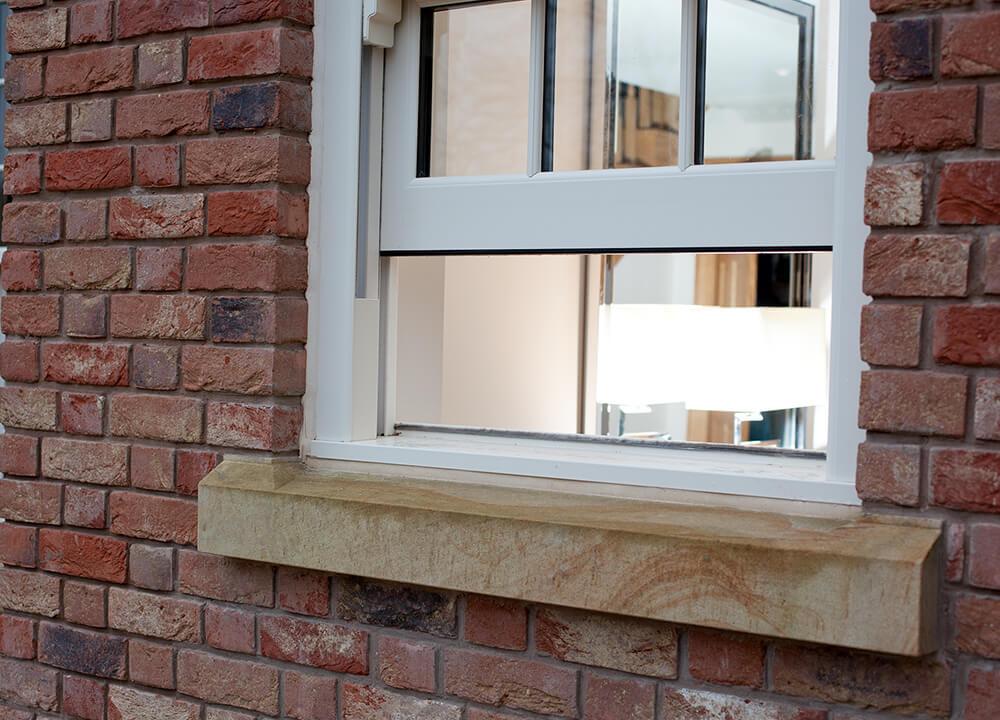
- Sash windows: Upgrade to double-glazed units while keeping their classic look; ensure vents are clear.
- Double-glazed frames: Keep internal panes warmer, reducing condensation risk.
Even with ventilation and humidity control, older or single-glazed windows may still experience condensation. Upgrading is often the most reliable long-term solution.
Condensation Solutions for Other Window Types
If you have uPVC windows, condensation is usually easier to manage because uPVC retains heat better than aluminium. Regular ventilation and open trickle vents help prevent moisture buildup, and double or triple glazing keeps the internal glass warmer in contact with cold air.
For timber windows, monitor humidity carefully. Timber absorbs moisture, increasing the risk of mould or frame damage. Using extractor fans, maintaining consistent heating, and regular frame maintenance—such as sealing or repainting—is also a good idea to help.
Northwich Glass also supplies sliding or folding glass doors and panels, which can be affected by condensation in high-humidity areas like conservatories or open-plan spaces. Keeping the room temperature controlled, alongside air circulating, can help manage humidity, and also consider insulated or thermally broken glazing to prevent water forming on glass or frames.
Stop Condensation in Windows: Key Points
- Condensation between double-glazing panes usually indicates a failed seal and may require replacement.
- Condensation on the outside of windows is generally harmless and dries as temperatures rise.
- Surface condensation can be wiped away temporarily, but underlying humidity or temperature issues must be addressed.
Combining ventilation, humidity control, steady heating, and modern glazing solutions can significantly reduce condensation across all window types.
FAQs : Stop Condensation in Windows
Can condensation damage my windows?
Persistent moisture can harm timber frames, causing them to swell or warp over time. It can also encourage mould growth and leave unsightly stains on glass, frames, and sills, especially with new windows, potentially leading to long-term maintenance issues.
Is exterior condensation a sign of poor insulation?
Often, yes. Windows that lose heat quickly create colder surfaces, making condensation more likely. Improving insulation or upgrading to double or triple-glazed units can help reduce moisture buildup significantly.
Will a dehumidifier stop window condensation?
A dehumidifier helps by reducing indoor humidity levels. With less moisture and much moisture in the air, there is less chance for water to condense on the window glass, especially in rooms prone to dampness like kitchens and bathrooms.
How often should I ventilate to reduce condensation in the winter months?
Ventilate your home daily by opening windows for 10–15 minutes at least twice a day. Focus on areas where moisture is highest, such as kitchens, bathrooms, and rooms where clothes are dried indoors.
Why does condensation form on windows in winter?
During winter, warm, moist air indoors meets the colder glass of your windows. This sudden temperature drop forces the water vapour in the air to turn into liquid droplets on the glass, creating condensation.
Does double glazing stop condensation?
Double glazing helps because the inner pane stays warmer, reducing the likelihood of moisture forming. While it doesn’t eliminate condensation entirely, it significantly lowers the risk compared to single-glazed windows, doing a good job of maintaining a comfortable indoor environment.
What is the best way to reduce condensation in bathrooms?
Use extractor fans while showering or bathing and keep them running afterward to remove excess moisture. Opening a window or door slightly can also improve airflow and prevent condensation from forming on mirrors and windows.
Condensation doesn’t have to be a persistent problem. With proper airflow, humidity management, consistent heating, and modern glazing, your windows—whether aluminium, sash, uPVC, timber, or double-glazed—can stay clear, dry, and damage-free.
If you’re concerned about persistent condensation or considering an upgrade, the Northwich Glass team can assess your home and recommend solutions tailored to your windows and lifestyle.